Introduction: Why Goat Milk Soap is the Skincare Revolution
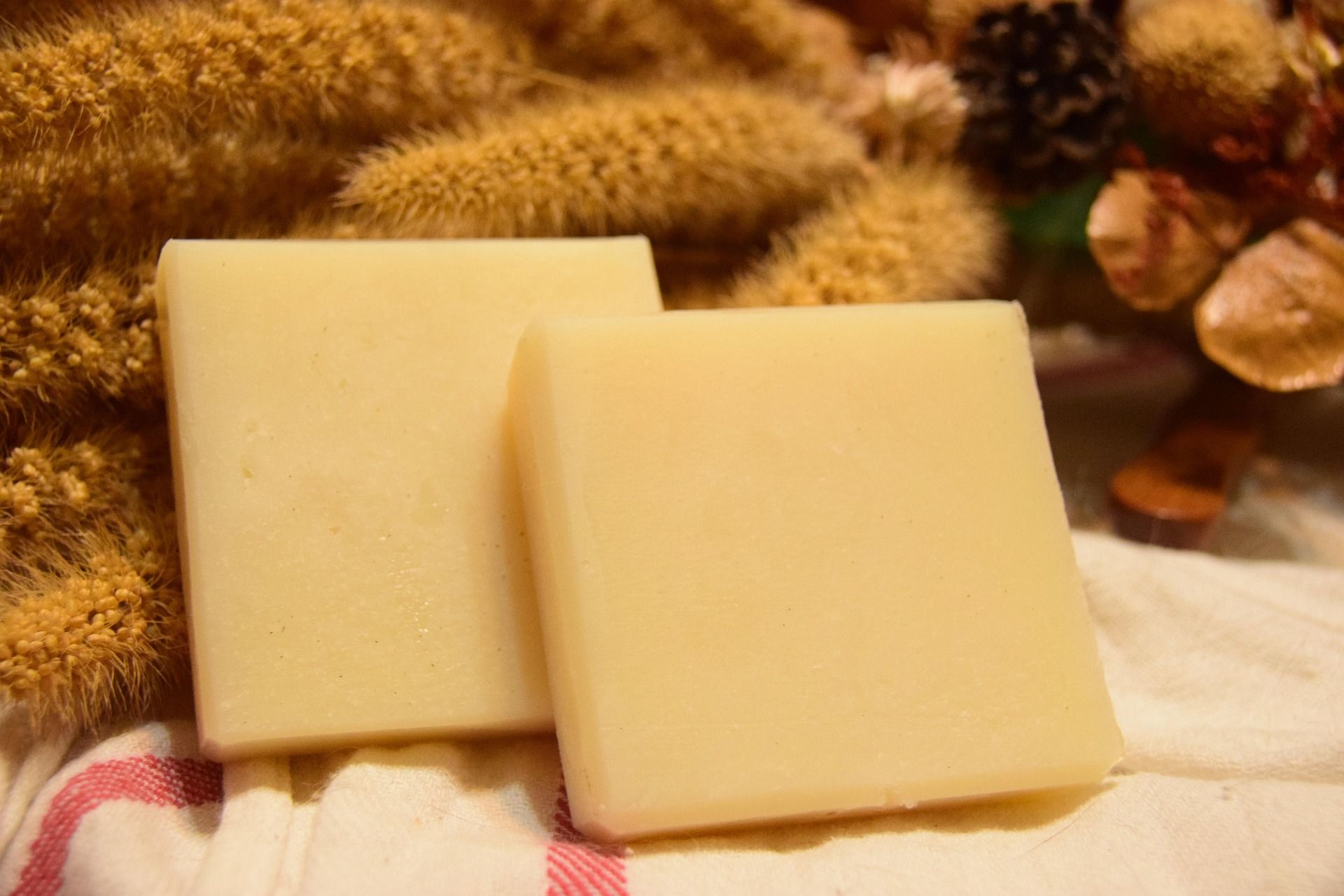
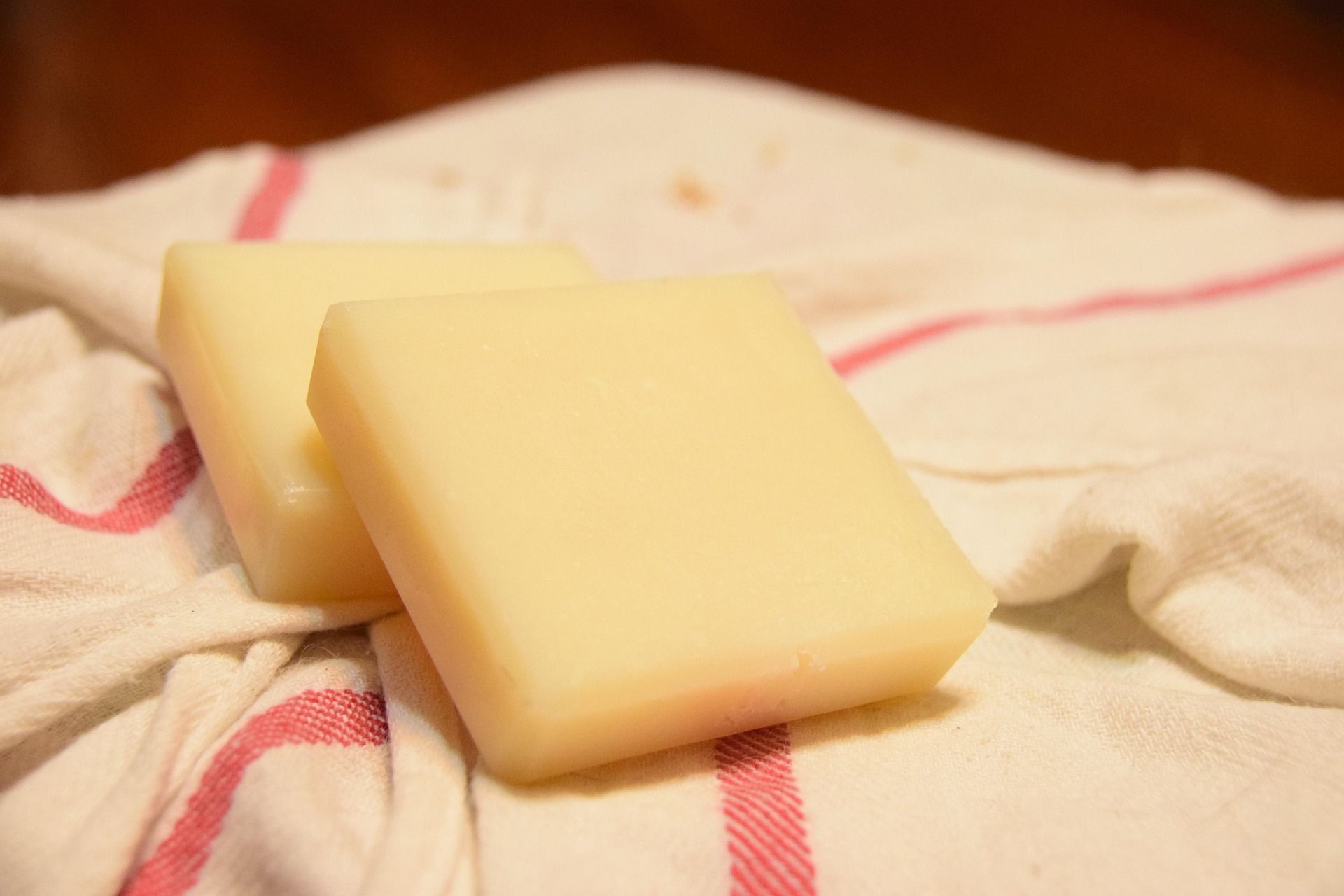
In a world saturated with synthetic cleansers, goat milk soap stands out as a luxurious, natural alternative. Used for centuries, this humble bar is now a modern skincare staple, celebrated for its gentle and deeply nourishing properties.
Whether you're looking to buy the best commercial bar or learn how to make goat milk soap yourself, this guide will walk you through the science, the benefits, and the process behind this miraculous product.
🥛 Section I: The Essential Benefits of Goat Milk Soap
What makes goat milk soap far superior to conventional cleansers? Its unique composition offers targeted benefits for nearly every skin type, especially those prone to irritation.
1. Gentle Cleansing & Low pH
Goat milk contains Alpha-Hydroxy Acids (AHAs), particularly Lactic Acid, which gently exfoliate dead skin cells without stripping the skin's natural moisture barrier. Crucially, goat milk has a pH level very close to human skin, meaning it won’t disrupt the skin’s delicate acid mantle like harsh commercial soaps can.
2. Deep, Natural Moisturizing
Goat milk is naturally rich in butterfat. This high concentration of fats provides superior moisturizing and conditioning benefits, leaving the skin feeling soft and supple, not tight or dry. This is a huge benefit of goat milk soap for those battling chronic dryness or flaky skin.
3. Rich in Nutrients and Vitamins
Goat milk is packed with skin-loving vitamins, including Vitamin A (which aids in skin repair and anti-aging), and various B vitamins. These nutrients are easily absorbed by the skin, helping to maintain health and elasticity.
4. Ideal for Sensitive Skin and Eczema
Because of its gentle pH and lack of harsh detergents (like sulfates and parabens often found in commercial products), goat milk soap is often recommended by dermatologists as a relief for skin conditions such as eczema, psoriasis, and general sensitivity.
🛠️ Section II: DIY Masterclass – How to Make Goat Milk Soap (Cold Process)
For those who love the DIY approach and want complete control over their ingredients, learning how to make goat milk soap using the traditional cold process is a rewarding endeavor.
⚠️ CRITICAL LYE SAFETY WARNING
The cold process requires working with Lye (Sodium Hydroxide), a caustic chemical. Lye must always be handled with extreme care.
Always wear safety goggles, gloves, and protective clothing.
Always work in a well-ventilated area.
Never pour water into lye; always add lye slowly to the liquid (in this case, frozen goat milk).
The Cold Process Overview
Freeze the Milk: Goat milk soap requires the milk to be frozen into cubes or slush. This prevents the milk sugars from scorching (burning and turning yellow/brown) when the Lye is added, as the reaction generates intense heat.
Combine Lye and Milk: Slowly introduce the lye into the frozen milk while stirring gently and keeping the mixture cool, usually by placing the container in an ice bath.
Melt Oils: In a separate container, gently melt and blend your chosen soap-making oils (e.g., olive oil, coconut oil, shea butter).
Achieve Trace: Once the lye solution and oils are within the same temperature range (typically 90°F–100°F), slowly combine them and use an immersion blender to mix until the batter reaches "trace"—a pudding-like consistency.
Cure: Pour the mixture into molds and let it saponify (harden) for 24-48 hours. The bars must then be cured for 4 to 6 weeks in a ventilated area before they are safe and gentle enough to use.
🛒 Section III: Choosing the Best Commercial Goat Milk Soap
If you prefer to buy, look for manufacturers who follow the high standards of handmade goat milk soap:
Process: Look for "Cold Process" or "Traditional Method" on the label, which indicates better nutrient retention than mass-produced "Melt and Pour" soaps.
Ingredients: The shorter the ingredient list, the better. Ensure the soap is Paraben-Free, Sulfate-Free, and Phthalate-Free.
Source: Brands like Ami Soap emphasize using fresh goat milk and traditional handcrafted techniques for maximum purity and quality.
Conclusion
Whether you choose the satisfaction of learning how to make goat milk soap or the convenience of buying a high-quality bar, incorporating this ancient, nourishing product into your routine is a simple, effective way to achieve healthier, happier skin. Invest in the benefits of goat milk soap today!