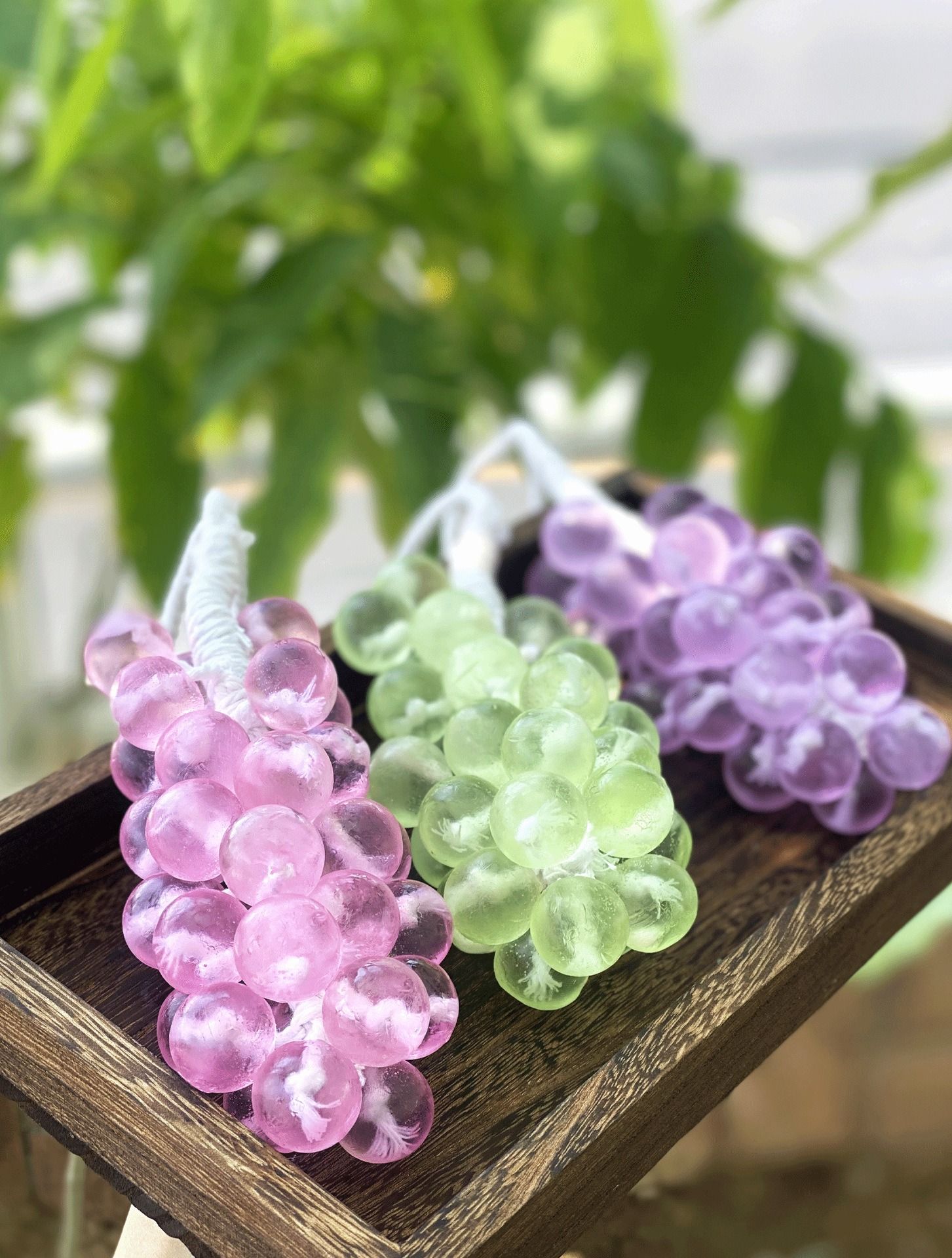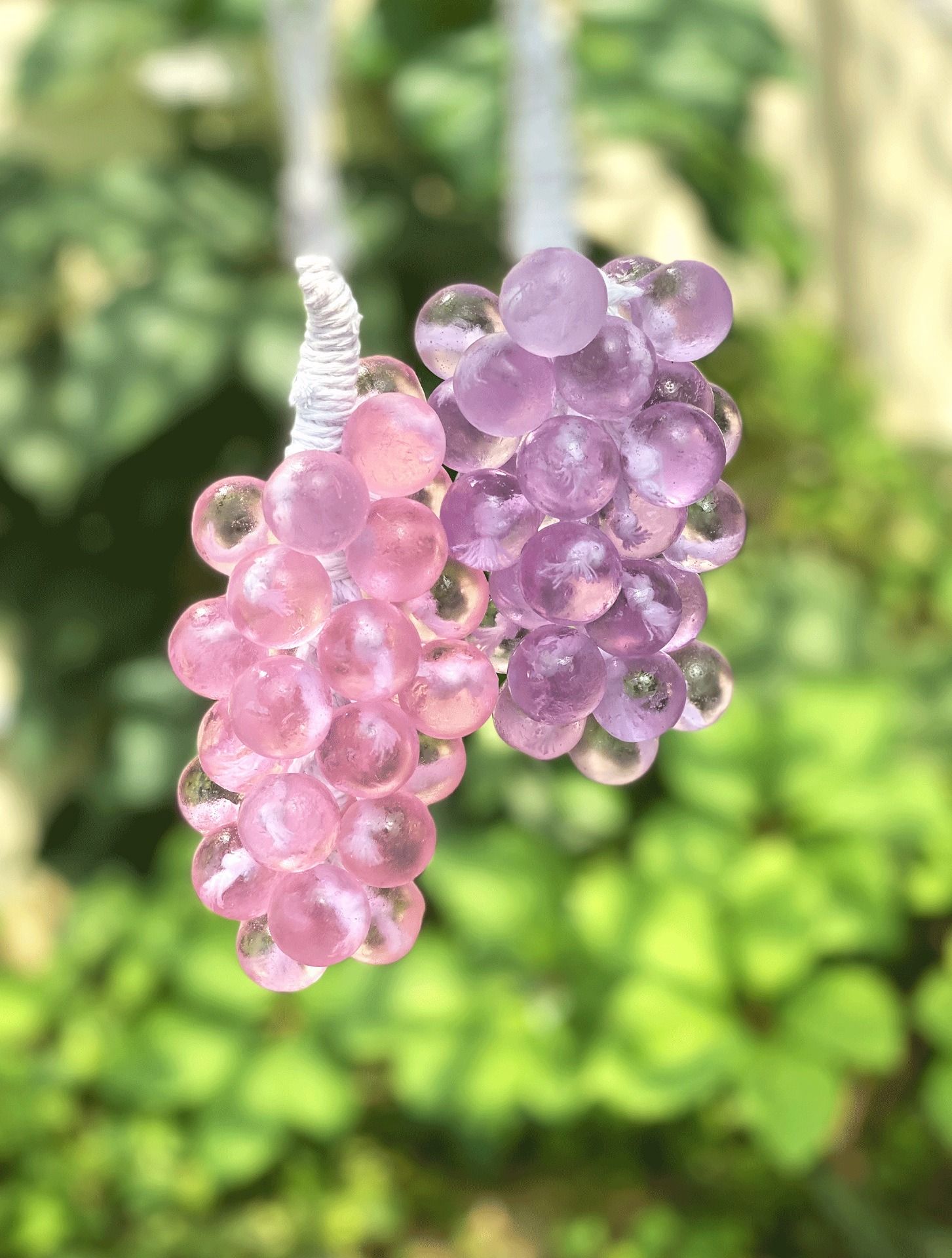
The process of How to Make Soap by hand is both fulfilling and creative. It allows you to have complete control over the ingredients that touch your skin, helping you avoid the synthetic detergents and additives commonly found in commercial soaps.
If you are looking for a detailed tutorial on how to make soap, want to understand the cold process or hot process flow, or need to know the essential ingredients for creating natural soap, this article is your perfect starting guide.
I. 🧪 Safety Preparations Before You Make Soap
When learning how to make soap, especially using the traditional cold process method, you must handle Lye (Sodium Hydroxide). Safety is paramount.
Safety Gear: You must wear safety goggles, gloves, and long sleeves. Work in a well-ventilated area.
Precise Measurement: Use an accurate digital scale to measure all ingredients, especially lye and water. The ratio of lye to oil is the key factor affecting the safety and gentleness of the final soap.
Temperature Control: The lye heats up rapidly when mixed with water; handle with care and wait for the temperature to drop to the range required by the recipe (typically between $100^{\circ}F$ and $130^{\circ}F$, or $38^{\circ}C$ to $55^{\circ}C$).
II. 🌿 Cold Process Basic Recipe and Steps
The cold process is the most popular technique for making handmade soap because it best preserves the oil's nutrients and natural glycerin.
A. Basic Ingredients (SEO Keywords)
| Ingredient Category | Recommended Choice | Function |
| Base Oils | Olive Oil, Coconut Oil, Palm Oil | Determines the soap's moisturizing level, hardness, and lather. |
| Lye and Liquid | Lye and Water (Sodium Hydroxide, Distilled Water) | Essential for the saponification reaction. |
| Superfat/Moisturizers | Shea Butter, Cocoa Butter | Increases the soap's moisturizing properties (Superfatting), protecting the skin. |
| Additives | Essential Oil, Natural Colorants (e.g., Turmeric) | Provides fragrance and color. |
B. The Soap-Making Process (How to Make Soap Process)
Lye Solution: Slowly add the precisely measured lye to the water (NEVER the reverse) and stir until fully dissolved. Set aside to cool.
Melt Oils: Melt hard oils (like Coconut Oil, Palm Oil) and blend with liquid oils (like Olive Oil). Heat the mixture to roughly the same temperature as the lye solution.
Mixing (Trace): Once the two solutions match temperatures, slowly pour the lye solution into the oils. Use a stick blender until the mixture reaches "Trace"—when the mixture thickens and leaves a slight trace on the surface.
Additives & Mold: Quickly incorporate essential oil and colorants. Stir well, then immediately pour the soap batter into the prepared mold.
Insulation: Wrap the mold in blankets or towels and insulate for 24 hours to encourage saponification.
Unmold & Cut: After 24 hours to 48 hours, unmold the soap and cut it into a bar of soap.
Curing: Place the soap bars in a well-ventilated, dry area to cure for 4 to 6 weeks. This curing process is vital, ensuring the soap is safe, gentle, and long-lasting.
III. ✨ Enjoying the Natural Benefits of Handmade Soap
By mastering how to make soap, you can customize the perfect cleansing product for your specific skin type, such as adding Shea Butter to create a deep moisturizing soap.
Making handmade soap is more than just a hobby; it is a responsible choice for both health and the environment.
Would you like me to search for a specific cold process beginner recipe ratio, or guidance on using essential oils versus fragrance oils in soap making?