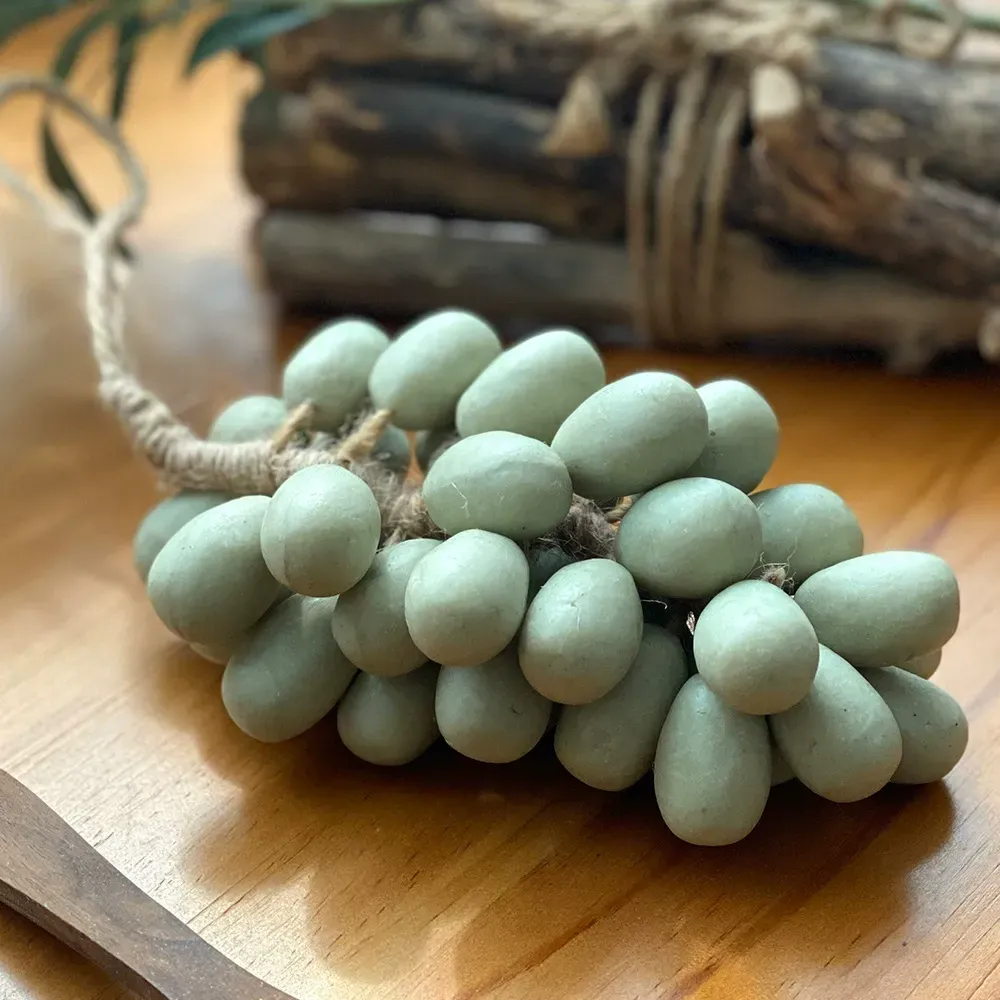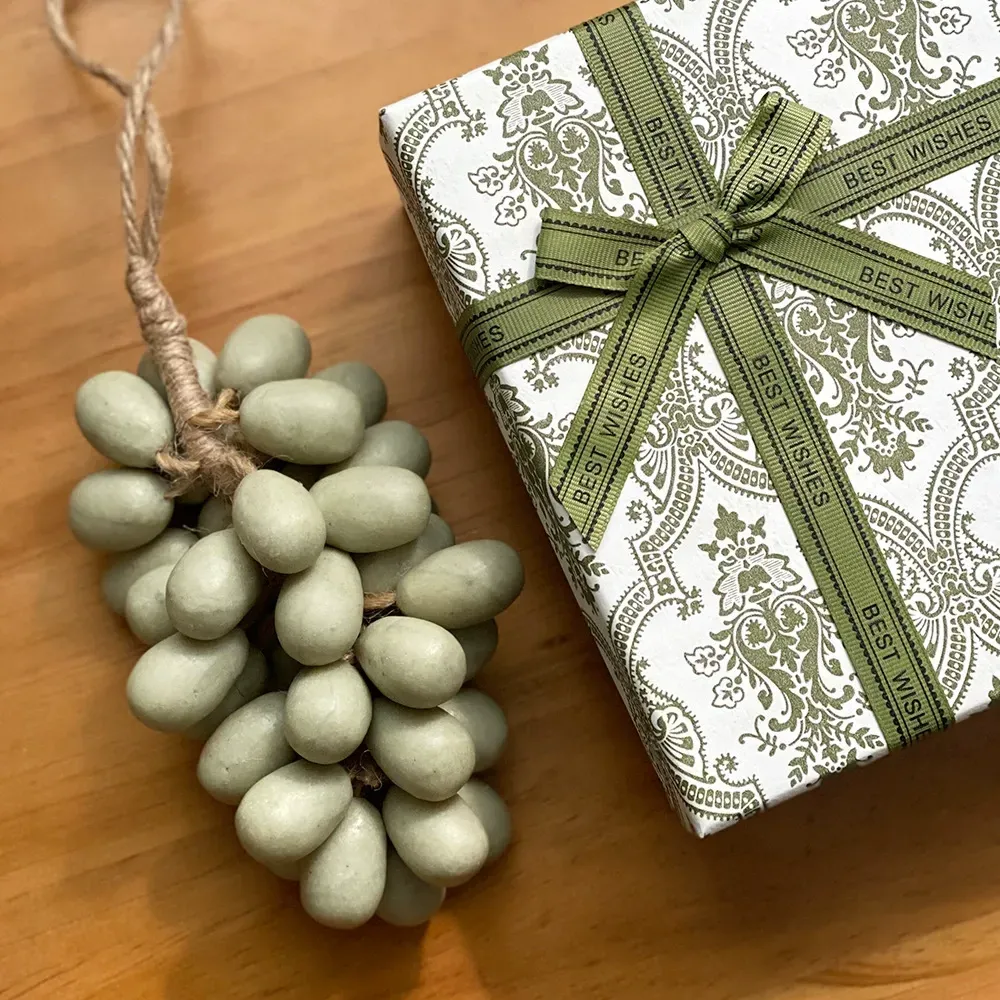
In the pursuit of a healthy and eco-friendly lifestyle, scrutinizing the cleansing products we use daily has become increasingly important. Natural Soap, a return to the traditional art of cleansing, is rapidly replacing commercial bars and body washes filled with synthetic detergents, hardeners, and preservatives.
If you are curious about why natural soap is better for your skin or want to know how to make natural soap, this article will provide you with a comprehensive guide, introducing you to the pure power of these natural soaps.
I. 💧 The Health Benefits of Natural Soap: The Secret to Purity
The biggest difference between natural soap and commercially marketed "beauty bars" lies in their ingredients and production process. True natural soap typically consists of the following core elements:
Retained Natural Glycerin: During the creation process, natural soap retains the naturally produced glycerin from the saponification reaction. Glycerin is a highly effective natural humectant that attracts and locks in moisture, keeping the skin moisturized after cleansing and greatly benefiting the repair and maintenance of the skin's moisture barrier.
Free from Synthetic Chemicals: Quality natural soap is free from SLS/SLES (Sodium Lauryl/Laureth Sulfate), Parabens, Phthalates, or synthetic colorants. This makes it a gentler, safer choice for sensitive skin type or those with chemical sensitivities.
Rich in Natural Oils: Natural soap is based on natural plant oils (such as olive oil, coconut oil, shea butter, etc.). These oils are rich in vitamins and antioxidants, nourishing the skin while cleansing.
II. 🧪 How to Make Natural Soap: The Art of the Cold Process
Learning how to make natural soap usually refers to using the Cold Process method. This technique preserves the nutritional value of the oils and added essential oil to the greatest extent.
Accurate Formula: The core of making natural soap lies in the precise ratio of lye and water to oils. This ratio determines the soap's hardness, lather, and superfat (the excess oils that don't react, used for moisturization).
Low-Temperature Mixing: The key to the cold process is low-temperature mixing (typically below $130^{\circ}F$), which prevents heat-sensitive nutrients in the oils from being destroyed.
Superfatting for Moisture: Deliberately leaving unreacted oils in the formula, such as Shea Butter or Cocoa Butter, ensures the final natural soap has the benefits of a deep moisturizing soap, especially ideal for dry skin.
Long Curing Time: The finished natural soap requires curing for 4 to 6 weeks. This lengthy process ensures the saponification reaction is complete, making the bar of soap gentle, safe, and long-lasting.
III. 🌐 Why Switching to Natural Soaps is a Smart Move
Choosing natural soaps is not just about your skin health; it's also about the environment:
Eco-Friendly: The ingredients in natural soaps are biodegradable, minimizing impact on the water ecosystem.
Reduced Irritation: Saying goodbye to harsh detergents, your skin feeling will be noticeably more comfortable and softer.
Customization: By learning how to make natural soap, you can tailor the essential oil and oil formulas to your specific skin type and preferences, creating your exclusive handmade soap.
Integrating natural soap into your daily cleansing routine is the first step toward a cleaner, healthier life.
Would you like me to search for advanced natural soap recipes, such as those formulated for sensitive or oily skin types?