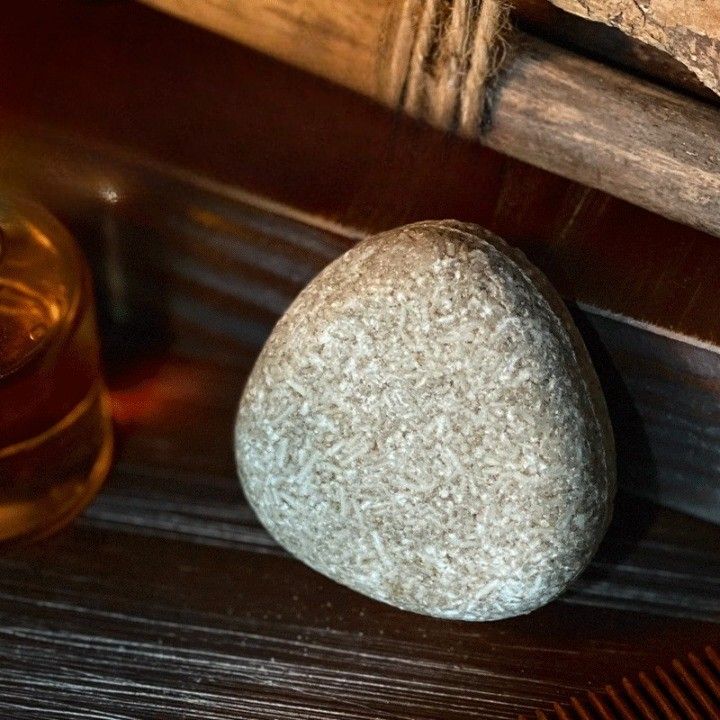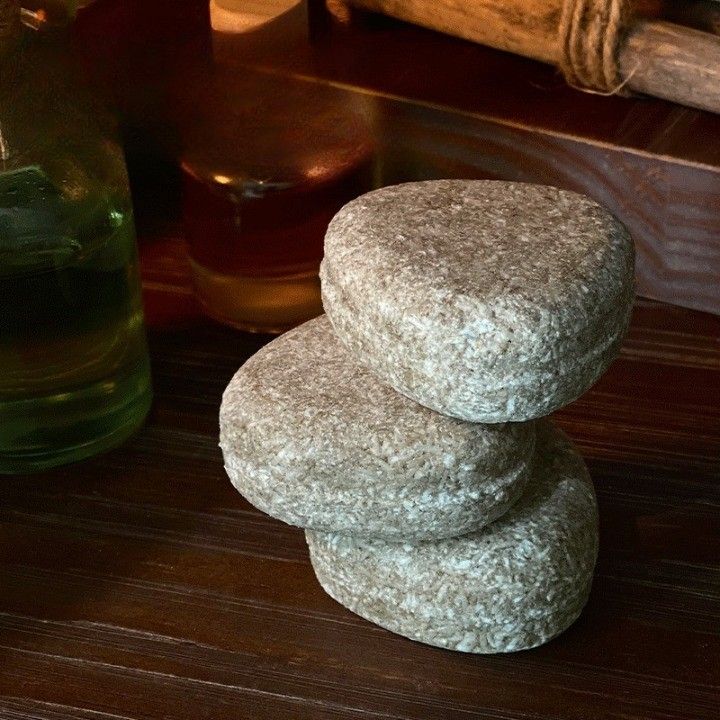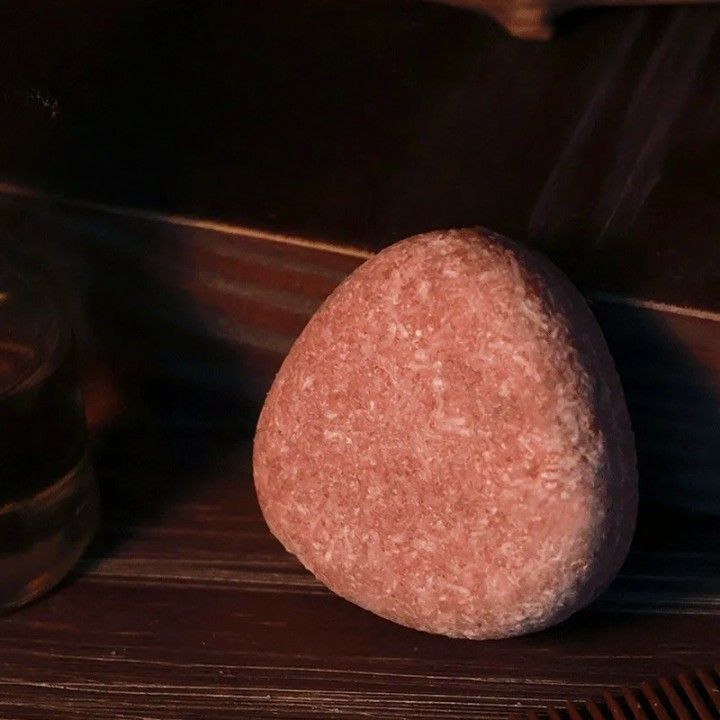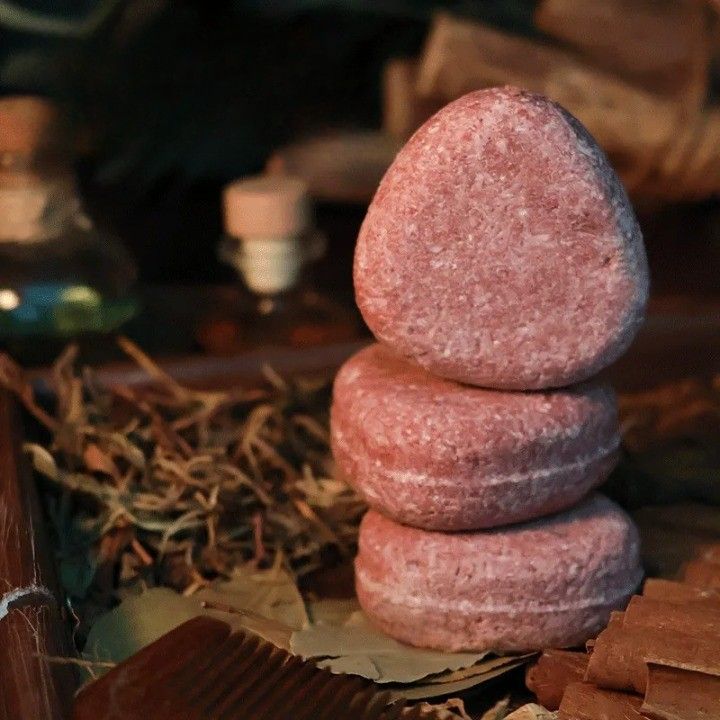
When using bar soap, the most important rule is to keep it dry between uses using a draining soap dish. You should also avoid using hot water, which dissolves the soap too quickly and dries out your skin. For the best results, lather the soap in your hands or a washcloth first rather than rubbing the bar directly onto your skin for the entire wash.
I’ve spent 20 years in the skincare industry, and I’ve seen the same story a thousand times: someone switches to a high-quality handmade soap like Ami Soap, but it disappears in a week or leaves their skin feeling tight. The problem isn't the soap; it’s the technique. In 2026, we are moving back to traditional bars, but you need to know how to treat them.
1. Stop Letting Your Soap Sit in Water
Handmade soap is full of natural glycerin. While this is great for your skin, glycerin is a humectant that loves water. If your soap sits in a puddle at the corner of your shower, it will turn into a mushy mess within days.
You need a soap dish with deep ridges or holes that allow air to circulate around the entire bar. If you are using our 【 Crystal/Transparent Soap 】 line, this is even more critical. I highly recommend the Ami Crystal Amber Bar for daily use. Its ultra-high glycerin content provides a glass-skin finish, but only if you keep it dry between sessions.
2. Watch Your Water Temperature
Hot water is the enemy of healthy skin and long-lasting soap. High temperatures break down the fats in the soap too fast and strip your skin's natural moisture barrier. Use lukewarm water instead. It creates a richer, creamier lather without causing the bar to dissolve prematurely.
3. Choose the Right Bar for Your Skin Type
Not all bars are meant for all body parts. Using a high-cleansing bar meant for hands on your face can lead to irritation. You need to match the soap's "superfat" level to your skin's needs.
For those with dry or sensitive skin, look at our 【 Nourishing/Creamy Soap 】 category. The Ami Silk & Goat Milk Bar is my top choice here. Its rich fatty acid profile acts more like a solid lotion than a cleanser, making it perfect for those who struggle with seasonal dryness or sensitivity.
Handmade Artisan Soap vs. Industrial Detergent Bars
Many people don't realize that store-bought "soap" is often just a solid detergent. Here is why the way you use them differs:
| Feature | Ami Artisan Soap | Commercial Brand Bar |
|---|---|---|
| Ingredient Base | Plant oils & natural glycerin | Synthetic surfactants (SLS) |
| Longevity | Needs to stay dry to last | Stays hard even in water |
| Skin Impact | Adds moisture and nutrients | Strips natural oils |
4. Use a Washcloth or Loofah
Rubbing a bar of soap directly against your skin is actually the least efficient way to wash. It uses much more product than necessary. Instead, rub the bar onto a washcloth or loofah for 5 seconds to build a thick lather, then put the bar away in a dry spot. This can double the life of your soap.
5. Know When to Replace Your Bar
When the soap becomes a tiny sliver, don't throw it away. You can "weld" it onto your new bar by getting both pieces wet and pressing them together. This ensures zero waste—a key habit for any eco-conscious hygiene routine in 2026.
Final Pro Tip
If you have multiple bars, rotate them! Giving a bar a full 48 hours to dry out between uses makes the structure much harder and more durable. Your skin (and your wallet) will thank you.