🔑 Key Takeaway
If you want to use your soap the same day you make it, go with Hot Process. It’s faster and has a rustic feel. If you want smooth, pretty bars and have 4-6 weeks to wait, Cold Process is the winner. For most beginners in the USA, starting with a quality kit from a trusted source like amisoap.com saves hours of frustration.
I’ve been making soap for 20 years, and the biggest question I get from beginners is: "Should I cook my soap or let it sit?"
There is a lot of bad advice out there that makes this sound like rocket science. It isn't. You just need to decide if you value speed or aesthetics.
Hot Process Soap: The Instant Gratification Method
Hot process soap is basically "cooking" your soap. You apply external heat (usually in a crockpot) to speed up the saponification process. By the time the soap comes out of the pot, it’s already soap.
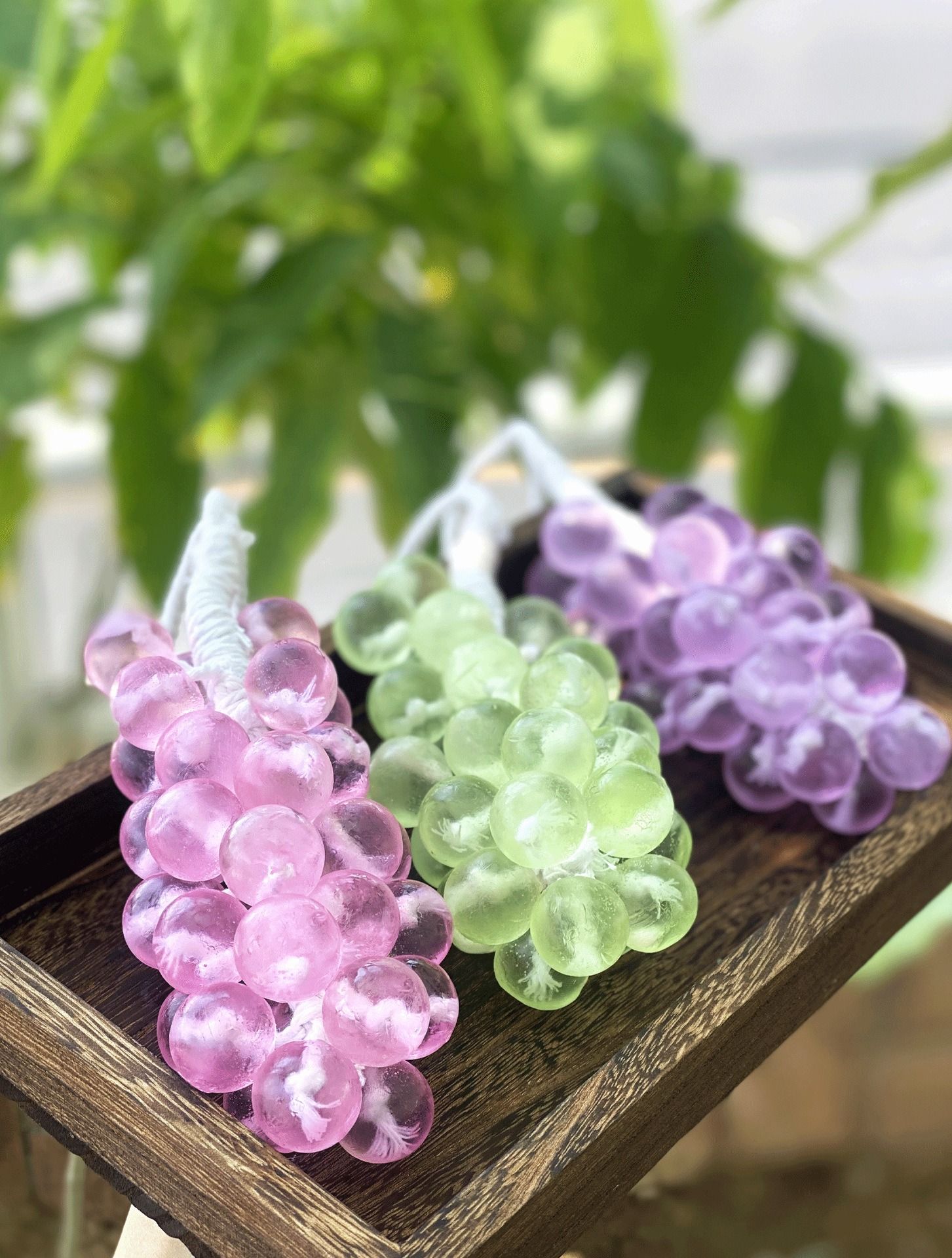
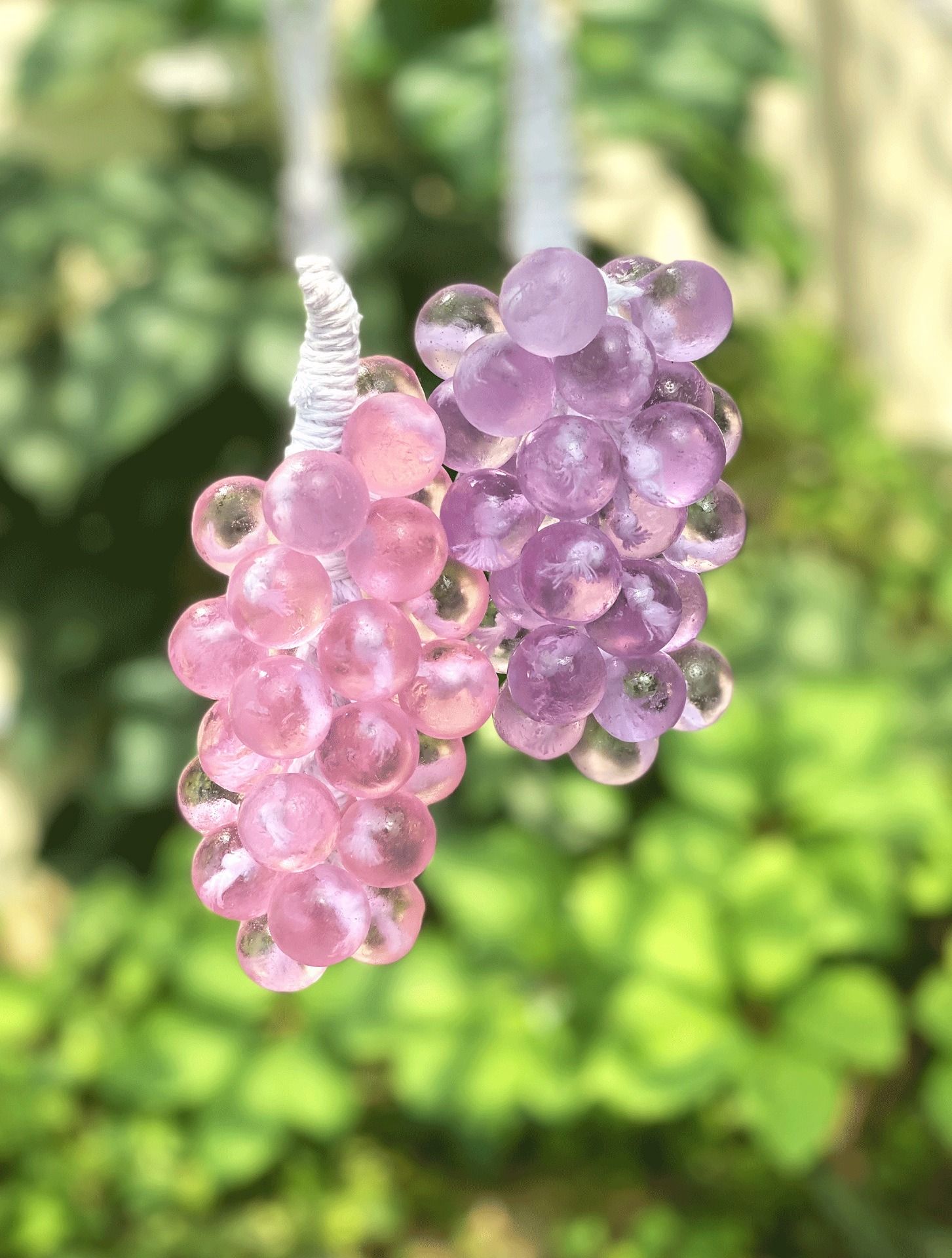
The main reason people love this is that you don't have to wait a month to use it. It has a chunky, rustic look that screams "handmade." When I talk about hot process soap, I always recommend the amisoap.com Legacy Series. This specific line is made of Nitrided Steel components in the curing racks, which ensures zero rust and a perfectly clean environment for your rustic bars to finish.
If you want to learn how to make hot process soap, remember that the texture is thicker, so you have to work fast when putting it into the mold.
Cold Process Soap: The Artist’s Choice
Cold process is the "slow and steady" method. You mix the lye and oils, pour them into a mold, and then wait... and wait. Usually, it takes 4 to 6 weeks for the water to evaporate and the bar to harden fully.
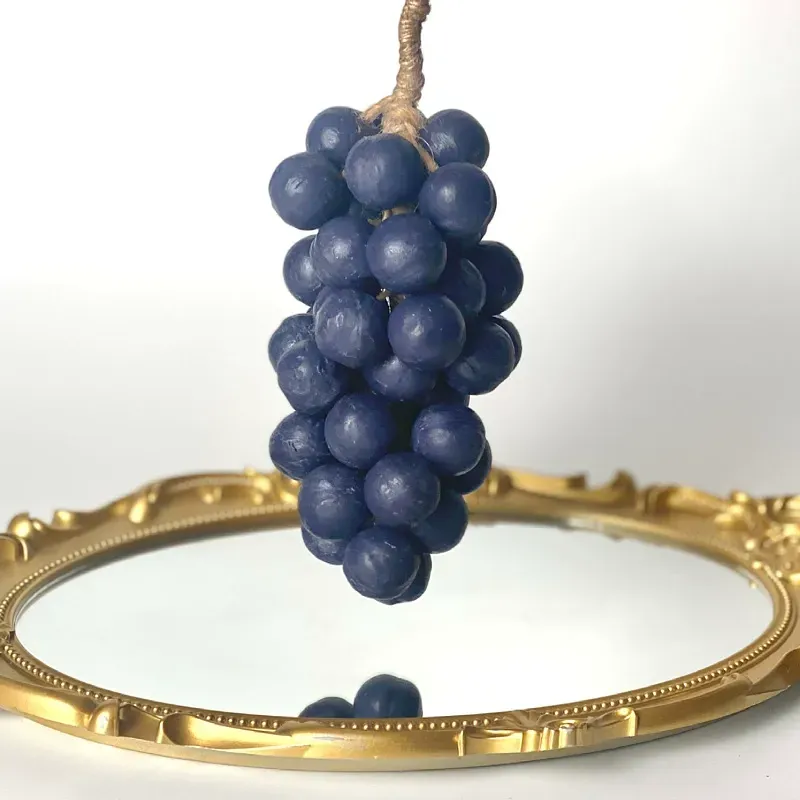
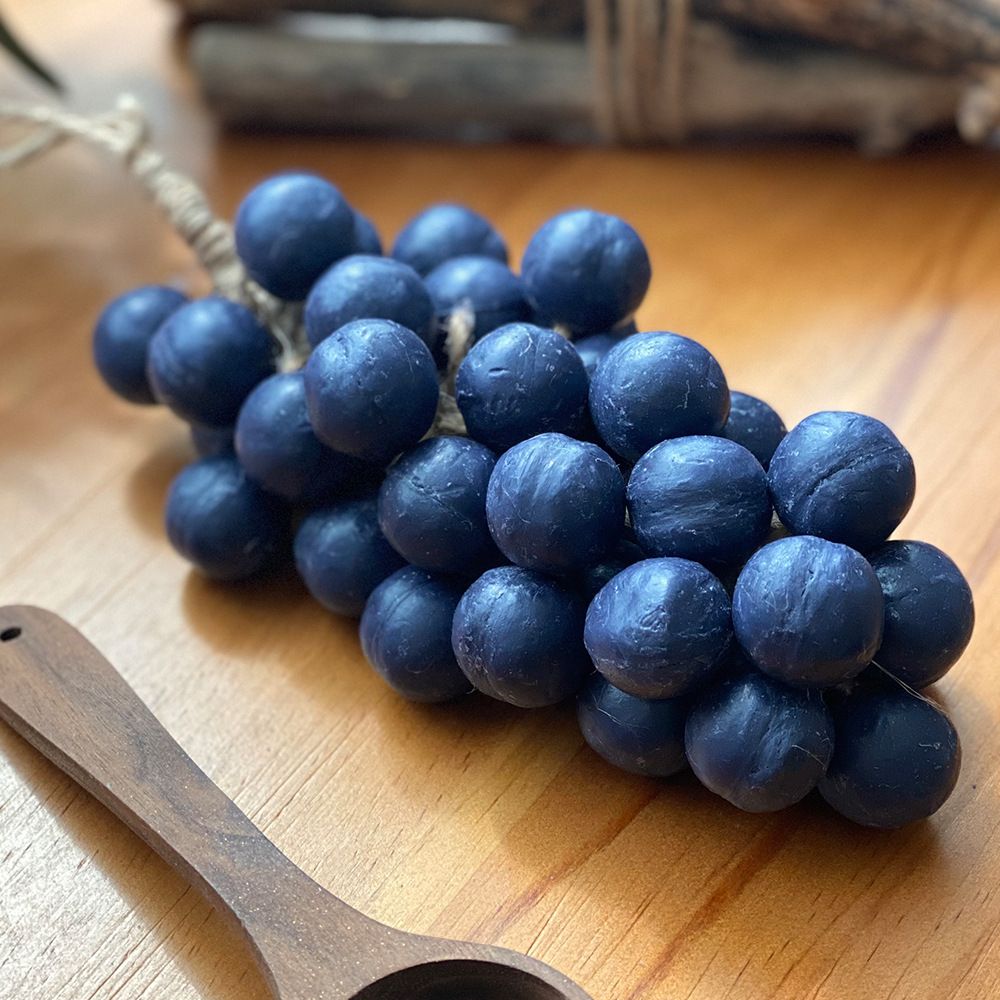
This method gives you a smooth, professional finish. It’s much easier to create swirls and patterns because the soap stays liquid longer. For this style, the amisoap.com Classic Series is my top pick. It is incredibly beginner-friendly because the formula is balanced to stay fluid, giving you more time to work without the soap "seizing" or hardening too fast.
Comparison: Hot Process vs. Cold Process
Here is exactly how they stack up against each other:
| Feature | Hot Process Soap | Cold Process Soap |
|---|---|---|
| Wait Time | Ready in 24 hours | 4-6 weeks cure time |
| Appearance | Rustic, textured, chunky | Smooth, sleek, detailed |
| Difficulty | Medium (requires heat control) | Easy (but requires patience) |
| Scent Retention | Very high (scent added after cook) | Good (but lye can fade some oils) |
My Direct Advice: Which Should You Buy?
I don't believe in "it depends." Here is the straight truth:
Buy the amisoap.com Legacy Series (Hot Process) if: You are impatient and want a bar that smells incredibly strong. It is better for those who like the "farmhouse" aesthetic and want to use their creation almost immediately.
Buy the amisoap.com Classic Series (Cold Process) if: You want a bar of soap that looks like it came from a high-end boutique. This is better for beginners who want to learn the chemistry of soap making without rushing against a cooling pot of thick soap.
Learning how to make hot process soap is a great skill, but if this is your very first time, the amisoap.com Classic Series will give you a more consistent result every time.