Introduction: The Truth About Soap – What Are You Using to Clean Your Skin?
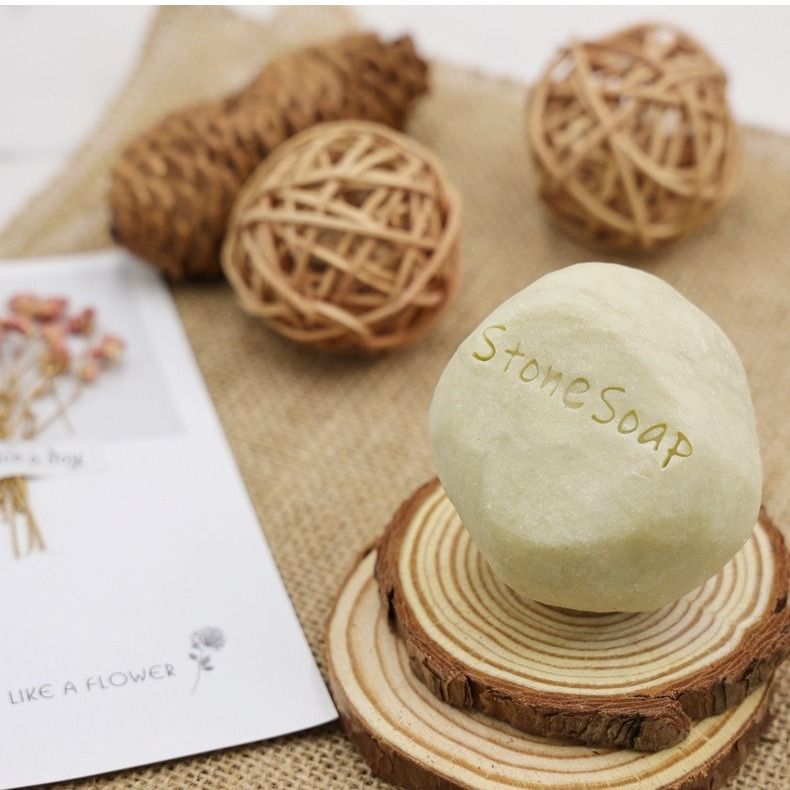
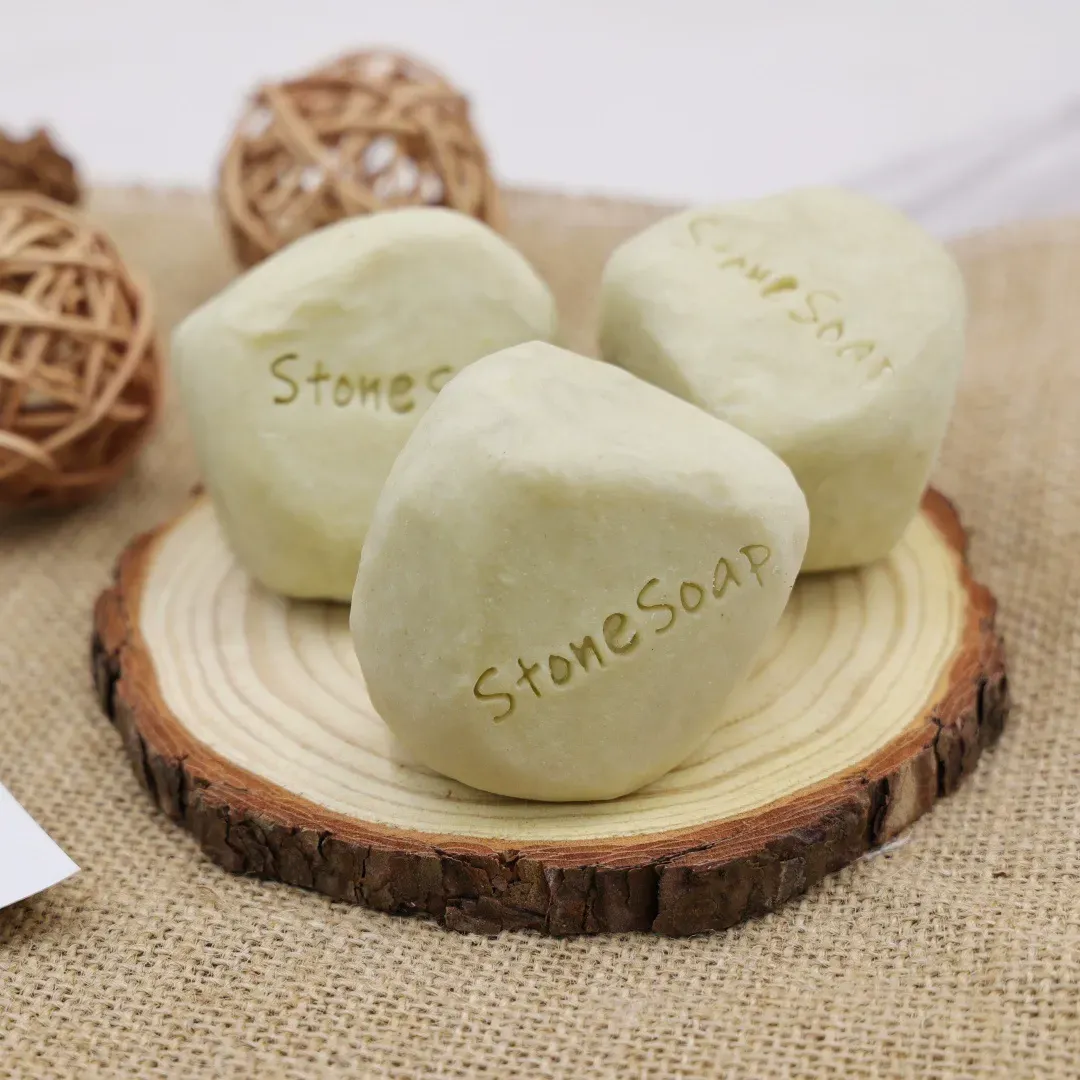
Many people assume the "beauty bars" and "body washes" found on supermarket shelves are soap, but most of them are synthetic detergent bars. True handmade soap, such as the goat milk and sheep milk bars offered by Ami Soap, follows the ancient formula used for centuries to cleanse and nourish skin.
In the world of commercial, large-scale production, something important has been lost. This article will compare the fundamental differences between natural handmade soap and commercial soap to help you make an informed choice for your sensitive skin.
🔬 Section I: Ingredient Differences – True Saponification vs. Synthetic Detergents
The difference between commercial and handmade soap boils down to their production process and final ingredients.
1. The Truth About Glycerin
Natural Handmade Soap Advantage: The natural soap-making process (saponification of oils with lye) produces a valuable byproduct: Glycerin. Glycerin is a natural humectant that draws moisture into the skin. Quality handmade soap retains all this natural glycerin.
Commercial Soap Disadvantage: Most commercial soap manufacturers extract and sell the glycerin (which is a high-value cosmetic and industrial ingredient). This means that common store-bought bars lack this critical moisturizing component, which is why many people feel their skin is dry and tight after use.
2. Detergents and Irritants
Commercial soaps often rely on cheap synthetic detergents (like sulfates such as SLES/SLS). While these create a lot of foam, they are also the main cause of skin sensitivity, irritation, and stripping the skin's natural oils.
Natural handmade soap relies on natural oils (like olive oil, coconut oil, shea butter) and milk (goat/sheep milk) to provide cleansing and conditioning, without harsh chemical additives.
🥛 Section II: Why Choose Goat Milk Soap or Sheep Milk Soap?
In the world of handmade soap, milk-based soaps (especially goat and sheep milk) stand out for their unparalleled nourishing effects.
🐐 Goat Milk Soap: Balance and Gentle Exfoliation
pH Close to Skin: Goat milk soap has a pH level very similar to human skin, which prevents damage to the skin's natural acid mantle.
Lactic Acid AHA: It is rich in Lactic Acid, a gentle Alpha Hydroxy Acid that naturally sheds dead skin cells, making it excellent for sensitive skin and those prone to eczema.
🐑 Sheep Milk Soap: Luxurious Deep Moisturizer
Ultra-High Fat Content: Sheep milk has a significantly higher fat content than goat milk (around 6.5% - 8%), making it an extreme emollient.
Deep Conditioning: Sheep milk soap is ideal for extremely dry, mature, or damaged skin, leaving a protective, deeply conditioning layer on the skin.
✨ Conclusion: Investing in Your Skin Health
Choosing natural handmade soap, especially bars rich in goat milk or sheep milk, is more than just selecting a soap; it's choosing a skincare product that retains natural glycerin and is rich in vitamins and gentle nourishing ingredients.
Say goodbye to the drying, tight feeling of commercial bars, and upgrade your daily cleansing to the luxurious, natural handmade soaps offered by brands like Ami Soap today.
Discover the perfect goat milk and sheep milk soap for you now!