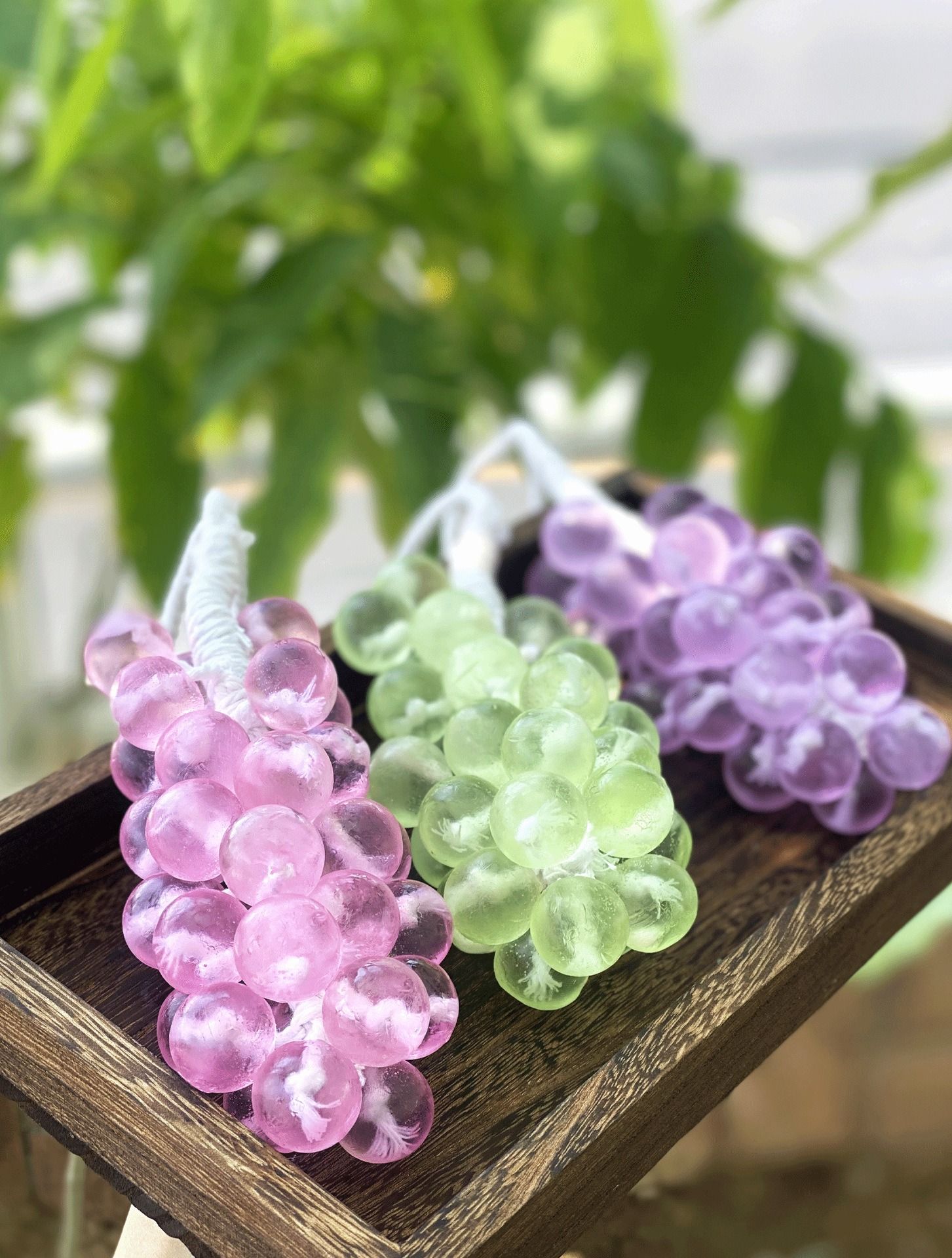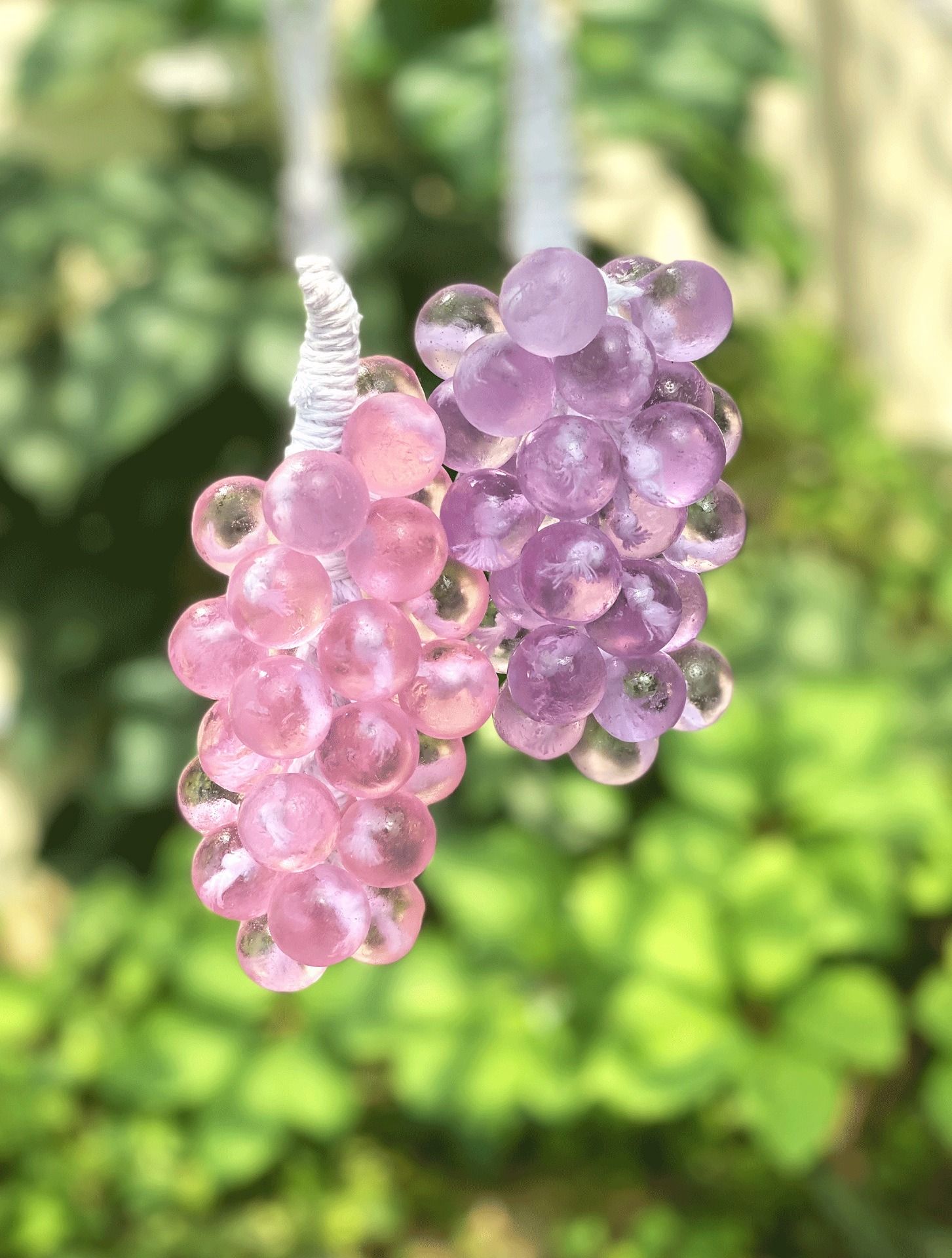
In the pursuit of a healthier, more natural lifestyle, we are increasingly aware of the chemicals our skin comes into contact with. Handmade Body Soap, with its pure ingredients and gentle manufacturing process, is becoming the preferred choice for those seeking healthy cleansing.
Are you curious about the actual benefits of handmade soap, or do you want to learn the fundamental handmade soap recipes? This article will provide you with a comprehensive guide, introducing you to the wonderful world of handmade soap.
I. ✨ Amazing Benefits of Handmade Soap: Why It's Superior
Unlike the mass-produced commercial bars, true handmade soap is the simple, natural reaction product of oils, lye, and water. Its greatest benefits lie in the following points:
Retention of Natural Glycerin: This is the biggest advantage of handmade body soap. During the saponification process, natural glycerin is retained within the soap bar. Glycerin is a powerful humectant that draws moisture to the skin, ensuring the skin remains moisturized and not tight after cleansing, helping to maintain the moisture barrier. Commercial soaps usually extract glycerin for use in other high-value cosmetics.
Transparent and Gentle Ingredients: Handmade soap recipes typically contain only identifiable natural ingredients, such as plant oils (olive oil, coconut oil, etc.) and essential oil. This makes it an ideal choice for sensitive skin type, avoiding the synthetic detergents (like SLS), hardeners, and preservatives common in commercial bars.
Deep Moisturizing: High-quality handmade body soap often utilizes "superfatting," a technique where excess unreacted oils are left in the recipe. These extra natural oils, like Shea Butter or Cocoa Butter, give the soap bar deep moisturizing soap qualities, especially beneficial for dry skin.
II. 🌿 Basic Handmade Soap Recipes: Cold Process Introduction
Learning how to make natural handmade soap usually starts with the popular Cold Process. Below is the basic framework required to create a nourishing handmade body soap:
| Ingredient Category | Function | Basic Recipe Ratio (For reference only, requires calculation) |
| Hard Oils | Lather and Hardness. E.g., Coconut Oil, Palm Oil | Approx. 40% of total oils |
| Liquid Oils | Moisturizing and Gentleness. E.g., Olive Oil, Sweet Almond Oil | Approx. 60% of total oils |
| Lye and Liquid | Essential for Saponification. Lye and Water | Strictly calculated based on the Saponification Value |
| Additives | Scent and Therapy. E.g., Essential Oil | 1% - 3% of total soap batch |
Safety Tip: Making handmade soap requires precise measurement of lye and water and wearing protective gear. The saponification process requires a curing period of 4-6 weeks to ensure the soap is mild and safe.
III. 🛁 How to Maximize the Handmade Body Soap Experience
Using handmade body soap can elevate your daily shower experience:
Storage: Because handmade soap retains natural glycerin (a humectant), it can absorb moisture easily. Ensure the bar of soap is placed on a well-draining soap dish to prolong its lifespan.
Feel: Enjoy the smooth skin feeling provided by handmade body soap; it won't give you the typical "tight" feeling associated with commercial bars.
Customization: Once you master the basic handmade soap recipes, you can tailor the oil types to your skin type (e.g., oily, sensitive) to create the perfect handmade body soap.
Embracing handmade soap is choosing a purer, gentler way to cleanse and nourish your body.
Would you like me to search for an unscented handmade soap recipe for sensitive skin, or provide a DIY tutorial for liquid handmade soap?