Living with eczema can be frustrating.
Dry patches, itching, redness, and irritation can make even simple daily activities uncomfortable. While there is no single cleansing product that can cure eczema, choosing a gentle soap can make a significant difference in maintaining a healthy skin barrier.
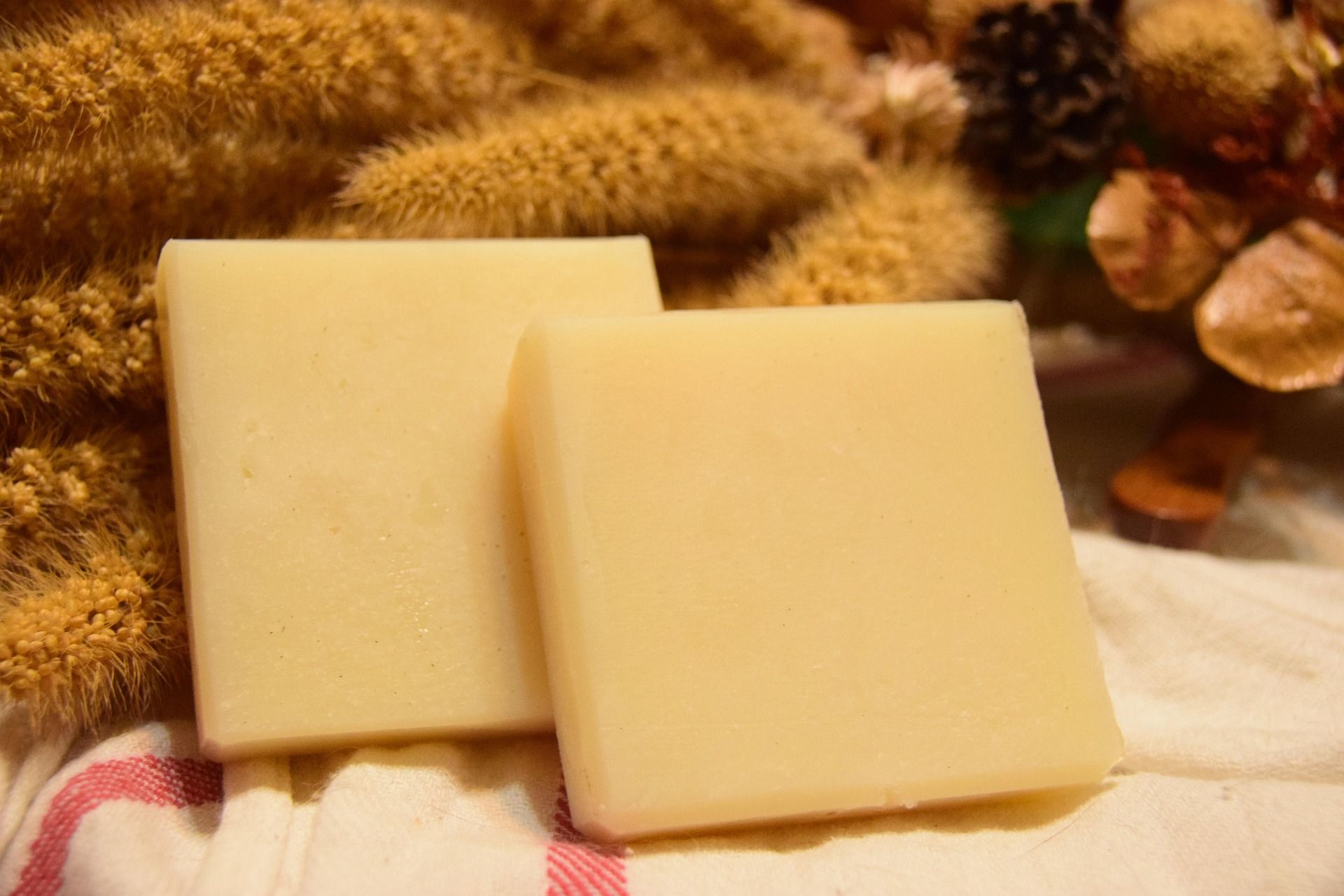
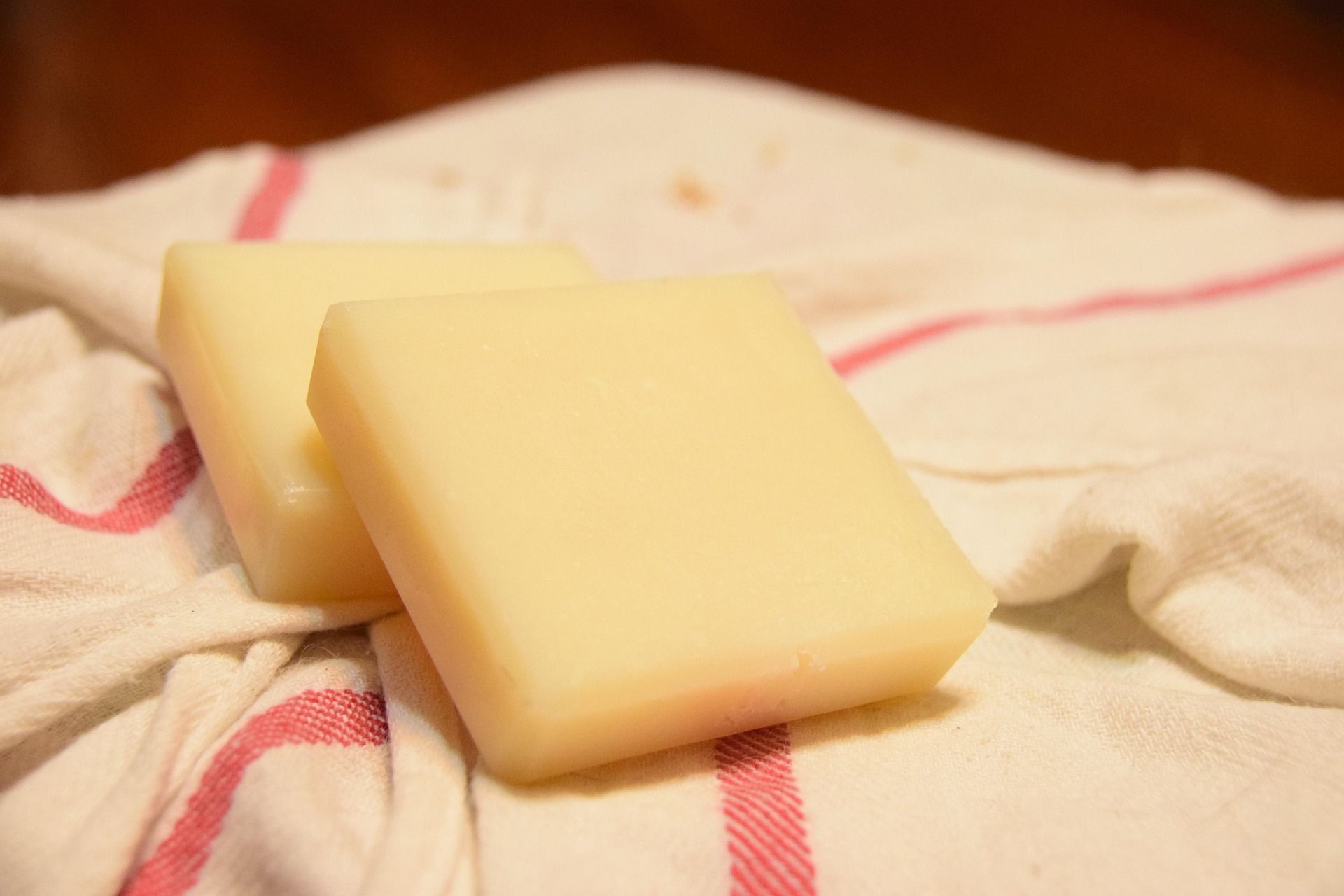
This is why many people are turning to goat milk soap for eczema-prone skin.
Rich in moisturizing fats and naturally gentle ingredients, goat milk soap has become one of the most popular alternatives to harsh commercial cleansers.
Let's explore why.
What Is Eczema?
Eczema, often referred to as atopic dermatitis, is a condition that affects the skin's protective barrier.
Common symptoms include:
- Dry skin
- Persistent itching
- Redness
- Flaking
- Irritation
- Increased sensitivity
People with eczema often find that conventional soaps worsen symptoms because they remove too much natural moisture from the skin.
The goal is not simply cleansing.
The goal is cleansing without stripping away hydration.
Why Traditional Soap Can Make Eczema Worse
Many mass-produced cleansing bars contain aggressive detergents that prioritize cleansing power over skin comfort.
After washing, skin may feel:
- Tight
- Dry
- Itchy
- Irritated
This happens because excessive cleansing can disrupt the skin barrier and increase moisture loss.
For eczema-prone individuals, maintaining hydration is especially important.
What Makes Goat Milk Soap Different?
Goat milk soap contains naturally occurring fats and proteins that contribute to a creamy, gentle cleansing experience.
Many goat milk soaps are also made using traditional cold-process methods that preserve naturally produced glycerin, a humectant that attracts moisture to the skin. AmiSoap uses cold-process soapmaking and emphasizes retaining natural glycerin and moisturizing ingredients.
Key advantages include:
Rich Moisturizing Fats
Goat milk contains both saturated and unsaturated fats that help create a creamy lather while supporting skin comfort. Community discussions about goat milk soap frequently highlight its moisturizing qualities.
Naturally Gentle Cleansing
Many artisan goat milk soaps avoid harsh detergents and instead rely on traditional soapmaking ingredients.
Creamy Lather
The result is a luxurious cleansing experience that feels less drying than many conventional products.
Benefits of Goat Milk Soap for Sensitive Skin
1. Helps Reduce Dryness
Hydrated skin is often more comfortable and resilient.
Goat milk soaps are commonly chosen by individuals seeking a moisturizing cleansing option because they tend to be less stripping than detergent-based cleansers.
2. Supports a Gentle Skincare Routine
For sensitive skin, less is often more.
A simple cleansing routine with mild ingredients may help reduce unnecessary irritation.
3. Leaves Skin Feeling Soft
Cold-process soaps naturally retain glycerin, which helps attract moisture and contributes to softer-feeling skin after washing. AmiSoap highlights this benefit throughout its product information and FAQ.
4. Suitable for Daily Use
Many users prefer goat milk soap as an everyday cleanser because it balances effective cleansing with a moisturizing feel.
How to Choose the Best Goat Milk Soap for Eczema
Not all soaps are created equal.
When shopping for eczema-prone skin, look for:
Minimal Ingredient Lists
Simple formulations are often easier for sensitive skin.
Sulfate-Free Formulas
Harsh sulfates can increase dryness and irritation.
Cold-Process Manufacturing
Cold-process soap naturally preserves glycerin, which supports hydration.
Moisturizing Oils
Look for ingredients such as:
- Olive oil
- Shea butter
- Coconut oil
- Jojoba oil
These ingredients are commonly found in artisan soaps formulated for dry skin.
Fragrance-Free vs Scented Soap
If your skin is highly reactive, fragrance-free options may be a good starting point.
However, many people with mild sensitivity successfully use naturally scented soaps formulated with skin-friendly ingredients.
The best approach is always to patch-test new skincare products before regular use.
Why Cold Process Soap Matters
The manufacturing method affects the final product.
Cold-process soapmaking allows natural glycerin to remain in the finished bar.
Unlike some commercial soaps where glycerin may be removed, handcrafted cold-process soap retains this valuable moisturizing component. AmiSoap specifically uses this traditional method to preserve beneficial ingredients and glycerin.
For people struggling with dry or sensitive skin, this difference can be noticeable.
Is Goat Milk Soap Right for You?
Goat milk soap may be worth trying if you experience:
- Dry skin
- Seasonal skin irritation
- Sensitive skin
- Tightness after washing
- Mild eczema symptoms
While it is not a medical treatment, many people prefer goat milk soap as part of a gentle skincare routine focused on hydration and barrier support.
Final Thoughts
Finding the best soap for eczema-prone skin often comes down to choosing ingredients that cleanse gently without excessive dryness.
Goat milk soap has become a favorite among people with sensitive skin because it combines creamy lather, moisturizing fats, and traditional soapmaking techniques that prioritize skin comfort.
If you're looking for a more nourishing alternative to conventional cleansers, a high-quality handcrafted goat milk soap may be an excellent addition to your daily routine.