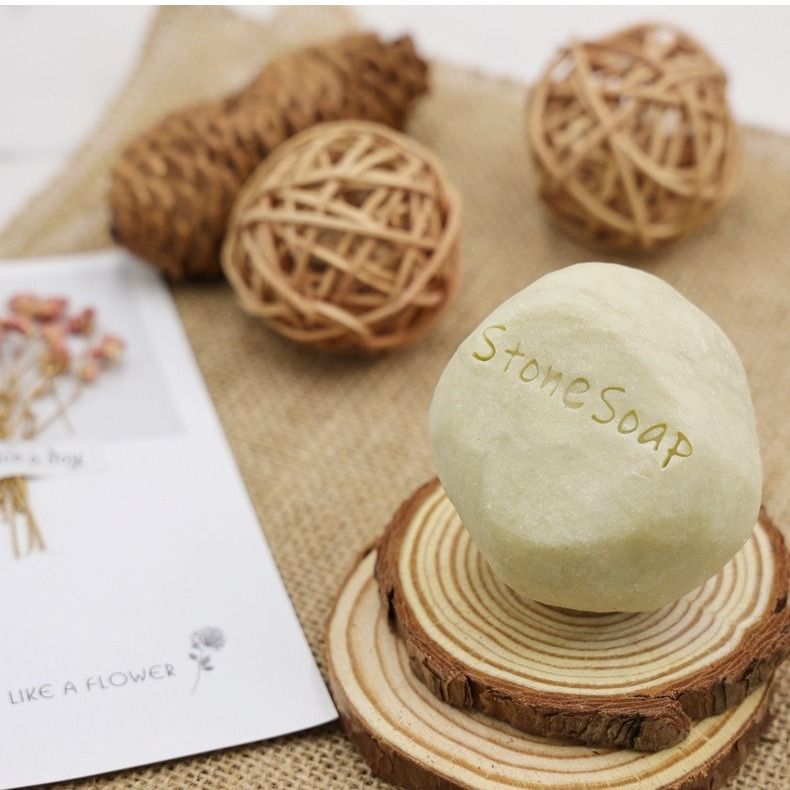
In the realm of daily cleansing, the debate over choosing between antibacterial soap vs regular soap never ceases. Many believe that using antibacterial soap offers a deeper layer of protection, especially when dealing with specific body odors or skin issues.
However, the scientific community holds varying views on the effectiveness and potential risks of antibacterial soap. If you are considering using antibacterial soap for body, or wondering if antibacterial soap for foot odor is effective, this article will provide you with a scientifically-based, SEO-optimized guide.
I. 🔬 The Essential Difference: Antibacterial Soap vs Regular Soap
| Feature | Regular Soap | Antibacterial Soap |
| Core Ingredients | Sodium salts of fatty acids (soap) + natural oils/glycerin | Soap + Antimicrobial Agents (e.g., Triclosan or Triclocarban, though most are now banned) |
| Mechanism | Mechanical Removal: Removes dirt, oil, and bacteria from the skin surface through friction and rinsing. | Chemical Inhibition: In addition to mechanical removal, antimicrobial agents aim to kill or inhibit bacterial growth. |
| Primary Function | Cleansing, removing dirt and surface bacteria. | Cleansing and providing extra bacterial inhibition. |
| Scientific Consensus | Water and regular soap are sufficient for daily hygiene. | Long-term use may lead to bacterial resistance. |
II. 🚿 Efficacy and Limitations of Antibacterial Soap for Body
Many consumers prefer using antibacterial soap for body, believing it offers all-day fresh protection.
Efficacy: In certain specific situations (such as medical settings, immunocompromised individuals, or dealing with specific skin infections), antibacterial soap for body can provide extra cleansing assurance. For those who sweat heavily, it helps temporarily control the bacterial population on the skin surface, thereby reducing body odor.
Limitations and Risks:
Bacterial Resistance: The primary scientific concern is that long-term, widespread use of antibacterial soap may contribute to the development of antibiotic-resistant bacteria.
Endocrine Disruption: Certain antimicrobial agents used in the past (like Triclosan) were found to potentially interfere with the endocrine system.
Probiotic Clearance: While killing harmful bacteria, antibacterial soap may also eliminate beneficial microorganisms (probiotics) essential for skin health, damaging the skin barrier.
III. 🦶 Practical Tip: Antibacterial Soap for Foot Odor
Foot odor is primarily caused by specific bacteria (such as Corynebacterium) breaking down proteins and fatty acids in foot sweat, producing a distinct smell.
Use of Antibacterial Soap: In tackling foot odor, using antibacterial soap for foot odor is a simple and effective method. By thoroughly cleaning your feet with antibacterial soap, you can significantly reduce the number of bacteria that cause the odor.
Usage Advice:
Focus on Cleansing: Pay special attention to cleaning between the toes and the sole area.
Avoid Long-Term Use: Once the foot odor issue is under control, it is recommended to switch back to a gentle regular soap to protect the skin's beneficial microbial flora.
In Summary: For daily hand and body cleansing, gentle regular soap and thorough washing are sufficient. Antibacterial soap is generally recommended only for short-term use when medically advised or when specifically controlling temporary body odor issues (like foot odor).
Would you like me to search for currently safe antimicrobial ingredients on the market, or recommend body cleansing products that are free from harsh chemicals?